

You're not stuck. You're just undertrained.
Most growth advice assumes you're starting from zero. You're not.
You've been at this for years. You have a real paycheck, real responsibilities, and you've hit a wall that feels different than anything before. It's not about motivation. It's about structure. Rising Pilot doesn't promise you vision boards or some secret to unlock your potential. It's a training system built on what actually keeps aircraft flying: measurable steps forward, decisions you can document and systems designed to catch problems before they snowball. You figure out where you stand right now. Build the next skill. Track what's working in real time. See the path ahead.
What You're Building
Decision-Making Under Pressure
You'll study real scenarios from high-stakes fields: commercial aviation, surgery, military operations, emergency response. Not to be dramatic. Because these fields have documented what works when stakes are real and information is incomplete. You'll write out your own decision logic, test it, watch where it breaks.
Stakeholder Management
Bosses, peers, reports, vendors, clients—they all want different things. Rising Pilot helps you map your actual network, document what each person needs from you, and build a communication system that doesn't require you to be constantly available.
Delegation That Sticks
Most people skip this until a crisis forces their hand. You'll do it now: what can you move off your plate, how to hand it off so it stays handed off, how to check without micromanaging. Systems, not willpower.
Reading a Room
High-performing teams notice when energy shifts. When someone's checked out. When a decision's been made but not said. You'll train this with actual people in your cohort.
Pre-Flight Checklist Method
You don't rely on memory or hope you remembered something important. You document what needs to happen, in sequence, before you start. Applied to the decisions you make repeatedly: how you approach a difficult conversation, how you set priorities when everything's urgent.
Skill Progression, Not Volume
You don't get better by doing the same work over and over. You get better by practicing specific skills in sequence, under controlled conditions, with feedback. Each week focuses on one decision-making domain.
Peer Debrief Accountability
Eight to ten people at the same career stage. Monthly structured sessions where you present real decisions, the group asks clarifying questions, and you notice patterns you can't see alone. short of actually having a crew, this is it.
How This Actually Works
A few hours a week over a year. That's the ask.
You're Not Starting From Scratch
Five years in means you've got real habits already. Rising Pilot doesn't throw those out. It audits what you're doing, finds what's working and what's not and figures out why. Then you build on top of that. Not generic development. Yours.
Peer Debrief, Not Therapy
Monthly meetings with your cohort, roughly ten people. Bring a decision you actually made. They ask questions, you see patterns, you decide what to take back. That's how good teams operate. Career version of a CRM.
Numbers That Matter
Week one you write down where things stand. After that, every month you track what shifted. Not feel-good metrics. Real ones. How much you delegate. How fast you make decisions. Whether you catch yourself before reacting. You'll see it.
Checklists, Not Discipline
Pilots don't rely on memory for critical steps. Rising Pilot doesn't either. You build systems for decisions you make over and over. What to verify before escalating. How to structure a hard conversation. Most of the work happens upfront. After that, it runs itself.
Twelve Months Matters
We tried shorter programs. They didn't stick. Real change takes time. People show up when they've committed to something. Money on the line. Peers expecting you. A real structure. That's what works.
How This Is Different
Four things you won't find in typical coaching or online courses.
Built on Aviation Discipline
Commercial aviation solved how to make decisions when you don't have all the information and you're exhausted. Pre-flight checklists mean you're not relying on what you remember. Crew resource management teaches people to flag problems early, before they blow up. Rising Pilot takes these systems and puts them straight into your career. Not as metaphors. These are the actual methods.
Peer Accountability Works
A group of eight to ten. You meet monthly. Someone walks through a decision they made, gets asked real questions, and suddenly you're all seeing patterns that person couldn't spot alone. It's not therapy or just talking—this is structured problem-solving. The same format flight crews use, surgical teams, SEAL units.
Measurement, Not Motivation
You establish where you're starting. Track what actually changes month to month. Real numbers: how much you're delegating, how fast you're making decisions, whether you catch yourself reacting or if you're responding instead. That's it.
12 Months, Not a Weekend
Changing how you behave doesn't happen overnight. Most programs collapse because they're too short and nobody's holding you accountable. Rising Pilot goes for a full year with the same peer group. You show up because people are counting on you. That's what drives real change.
What You Get
01
Initial Diagnostic
Two hours with someone who actually listens. You walk through your role, three recent decisions, where you're solid and where you're stuck. We sit With it together and send you a real breakdown: what your strengths actually are, where the real problems sit, and one thing to tackle first. Nothing generic.
02
Skill Progression Modules
Twelve weeks of material that builds on itself. Decision-making under pressure, handling stakeholders, delegation that works, reading what's really happening in the room. Each one has video, worksheets, actual examples and templates you can use. About three or four hours a week. Built so you get the basics before anything gets complicated.
03
Monthly Peer Debriefs
Small group, maybe eight or ten people. You bring a real decision you made, they ask the questions that matter, everyone says what they see. The facilitator keeps it focused, no one just throwing advice around. You show up because people are depending on you to show up.
04
Documented Progress
First month you set your baseline. How much are you actually delegating. How fast are decisions getting made. How often do you catch yourself reacting instead of thinking. Then check in with your facilitator every quarter and stay connected with your group in Slack. You know what's working.
Core Components
Decision Checklists
You don't want to rely on memory or hope you remember the critical piece. Build a documented sequence for the decisions you make over and over—the way you handle a tough conversation, how you prioritize when everything feels urgent, how you hand things off without losing track. It's the same thing pilots do before takeoff.
Skill Progression, Not Repetition
Doing the same work a hundred times doesn't actually make you better at it. You improve by working on specific skills one at a time, in a structured way, where you get real feedback on how you're doing. Each week you focus on a different decision-making area. Start with the basics, layer in the harder stuff once you've got those down.
Peer Accountability System
You meet monthly with a small group—eight or ten people roughly at your level. Someone brings a real decision they made that week, everyone asks questions to understand it better, and patterns start showing up that you'd never catch on your own. People notice things. You actually show up because you know the others are counting on you.
Tracked Metrics
Month one you establish a baseline. Then each month after you document the numbers. What matters: your delegation ratio, how fast you turn decisions around, whether you're catching yourself before you react instead of waiting to react. No guessing about whether you're getting better. Just actual data.
How It Works in Practice
So what does this actually look like day to day? You're getting monthly debriefs with your cohort, writing down how you make decisions, watching yourself improve in ways you can point to. This is where it gets real.
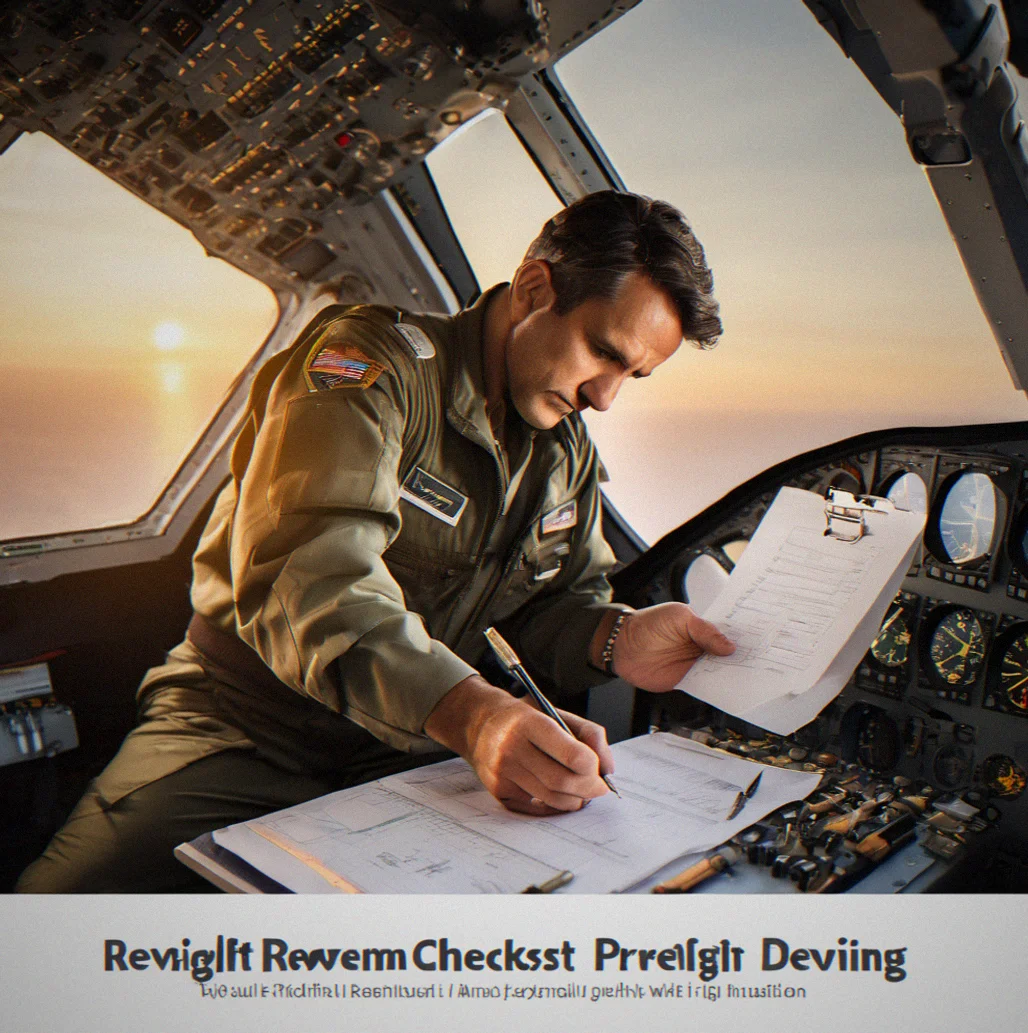
Start with your baseline: The diagnostic shows you exactly where you're operating from

Once a month you sit down with the group, talk through what happened, and they poke holes in your thinking
Each week brings a different framework: You learn it, build it out, then use it on something real
After a year you've got numbers: How you decide, how fast, what sticks
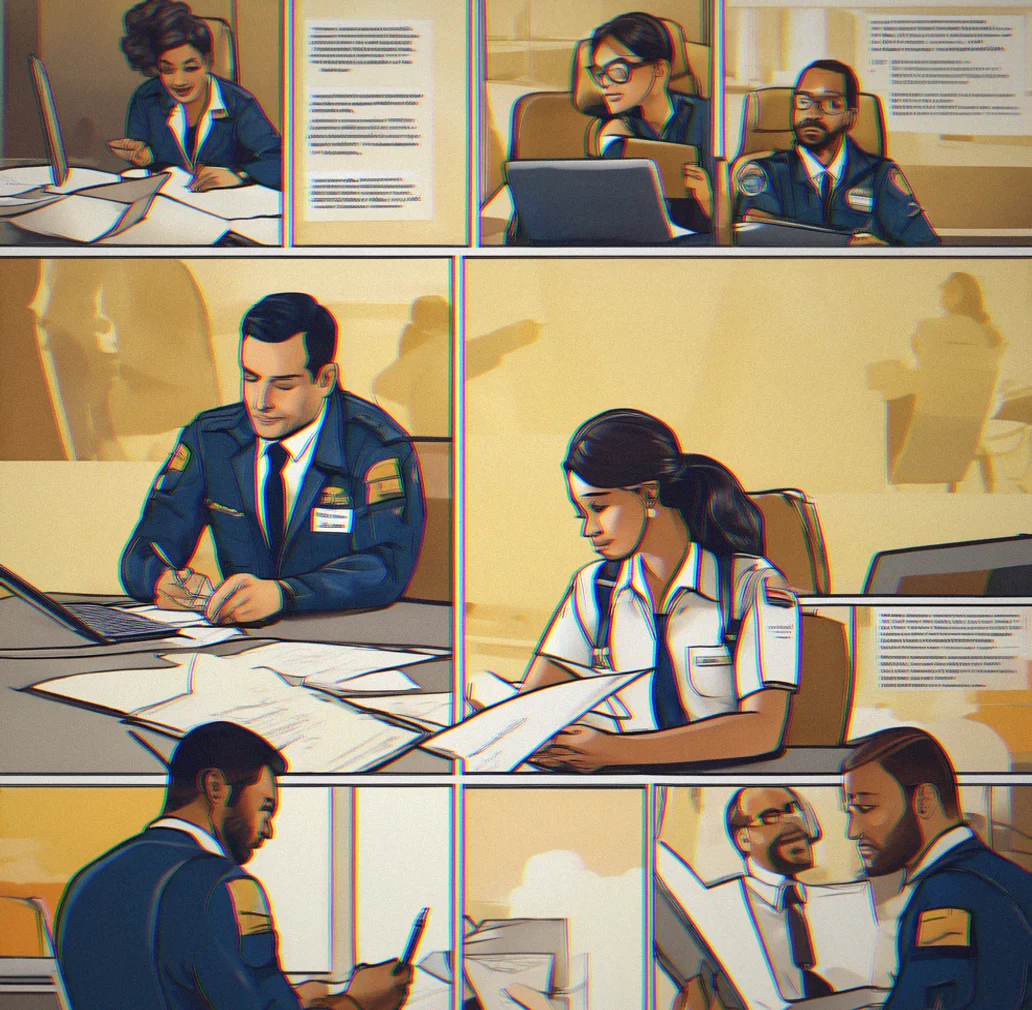
The best teams talk to each other. They surface problems early instead of hiding them. That's what you're building here
Five Years In. Still Stuck.
You're not lazy. You just need actual structure to turn what you've done into what you can do.
Start With a Real Audit

Spend a couple hours writing down where you actually are. Your role. Three calls you made last month. What works. Where it breaks. You get back something concrete that points to what matters and what to work on first. Not abstract. Actionable.
Build Checklists for Decisions
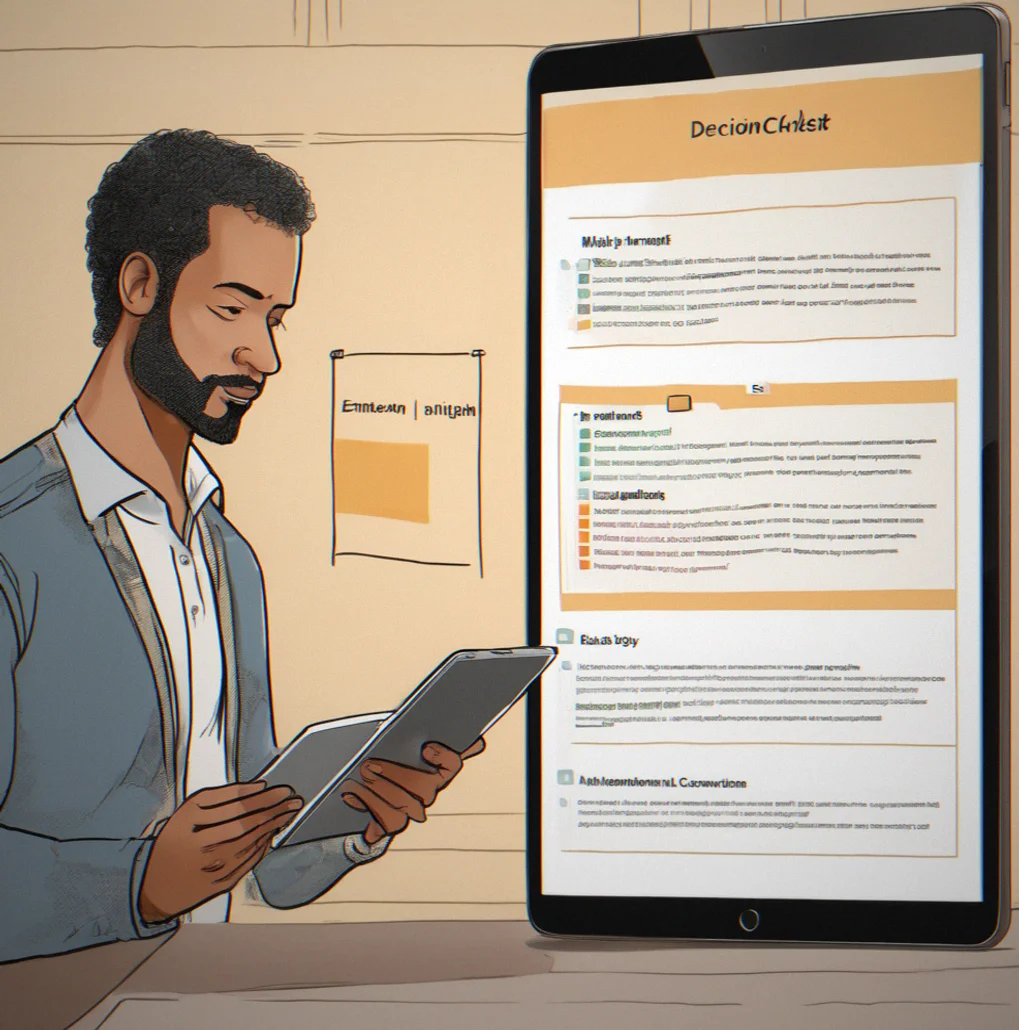
Pilots don't rely on memory. They work through a checklist every time. You need the same thing. Map out the decisions you make over and over. How to handle a tough conversation. What you do when everything's urgent at once. How to hand off work and still know what's happening. These are systems. They replace guessing.
Skill Progression, Not Repetition

Five years in the same role doesn't make you better. Focused practice does. Each week targets one skill: how to delegate, how to navigate stakeholder politics, how to read what people aren't saying, how to stay steady under pressure. You build from the ground up.
Monthly Peer Debriefs

Eight or so people at roughly your level. You bring something real from the last month. They ask questions. The group tells you what they're seeing. Things click that you'd miss alone. You keep showing up because people are counting on you. That works.
Track Real Metrics
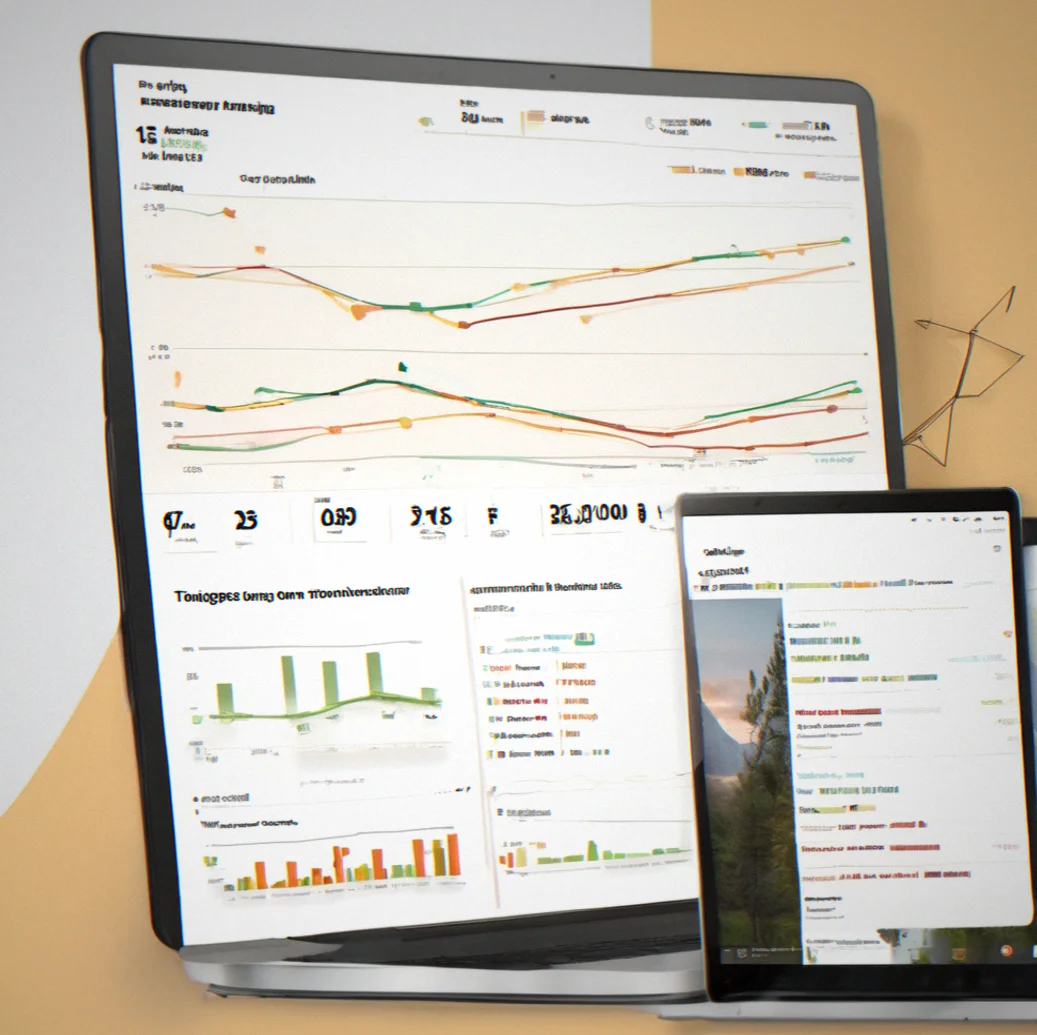
First month you establish where you're starting. Then track monthly. How much you're delegating. How fast decisions move. How often you catch yourself reacting instead of thinking. These are numbers, not feelings. Someone checks in with you each quarter to make sure you're honest about it.
Twelve Months of Accountability
Real change takes longer than you think. Most programs fail because they end too soon. This runs a full year with the same group so consistency actually happens. You have money on it. Your peers expect you. Structure's in place. That's what gets results.
How It Actually Works

Week One: Diagnostic
You map out where you are right now. Current job. Three decisions you made last month. What you're good at. What's blocking you. We read it and send back a breakdown of your actual strengths, what's really slowing you down and what to tackle first. Straight answer.
Weeks Two Through Thirteen: Skill Modules
Three to four hours a week. Each one covers a specific part of decision-making: how you delegate, how you work with stakeholders, how you read people, how you bounce back from mistakes. Videos, worksheets, real scenarios, templates you can use. Basics first.

Monthly Cohort Debrief
You bring an actual decision to the table with people who are smart but don't have skin in the game. They ask questions that make you think. They catch assumptions you didn't know you were making. They spot patterns you'd miss alone. Plus you learn from watching how they work through theirs.
Documentation and Tracking
Month one gives you a baseline. How often you delegate. How fast you make decisions. Do you react or respond. Real numbers. Every month you check in on what's moving and what isn't. Quarterly sit-downs with your facilitator show you the patterns.
The Checklist System
Stop relying on your brain to remember. Write down how you handle the decisions you make all the time—a tough conversation, priorities when everything's on fire, delegating work. It's what pilots do. You get the same thing: fewer screw-ups, faster decisions, less mental strain.
Twelve Months. Accountability Built In.
Real change doesn't happen fast. Short programs fail because nothing holds you to it. You show up every month because eight or ten people are counting on you. That peer pressure plus structure actually works.
Common Questions
FAQ
Questions we actually hear from people looking at this and wondering if it's worth their time. Straight answers.
Not really. Coaching is someone telling you what to do one-on-one. Rising Pilot is different—it's structured skill modules, worksheets, decision templates, and then monthly debriefs with a group of 8 to 10 people at roughly your career level. The real thing that keeps you going is the peer group. You show up because other people are counting on you to show up, not because you're paying someone to hold your hand.
Your boss gets your industry. They don't get how to help you think differently. Mixed-industry cohorts are actually better because you're not stuck in the same tired assumptions everyone in your field makes. When you hear how someone in finance handles delegation versus someone in tech versus someone in operations, you start stealing their approaches. They steal yours. Problems get solved faster that way.
Yeah, that's a real consideration. But we've seen what actually happens—people stick with it because the cohort creates real pressure. When eight other people show up every month expecting you to have done the work and are ready to hear what you've figured out, you do the work. If you're already stretched thin or not sure about the bandwidth, this might not be the right fit. Better to say that now than have you bail after three months.
You measure it. Start by picking metrics: your delegation ratio, how long decisions actually take, whether you're reacting or thinking things through. Check those numbers every month. Then every quarter you look at what's actually moving and what isn't. Three months in, if nothing's changed, that tells you something—and you adjust. Behavior change isn't magic. It needs time, real systems, and people holding you accountable. Rising Pilot has all three.